

Protecting What Matters
Responsible Growth Starts with Responsible Design
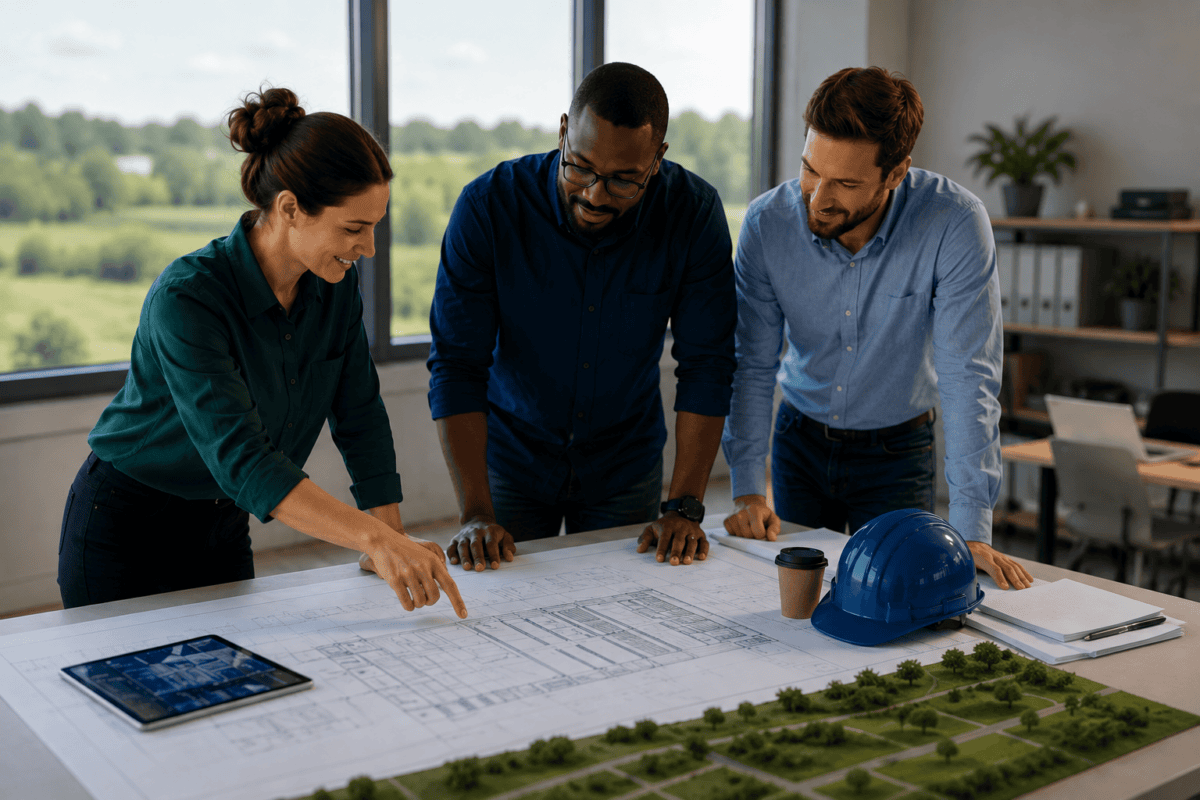
From the beginning, OnSite Partners has approached this development with water use, energy demand, infrastructure, and community impact as central design considerations. Our approach allows us to address those questions early – before the facility is built.
PROTECTING LOCAL WATER
Built to Use Less Water
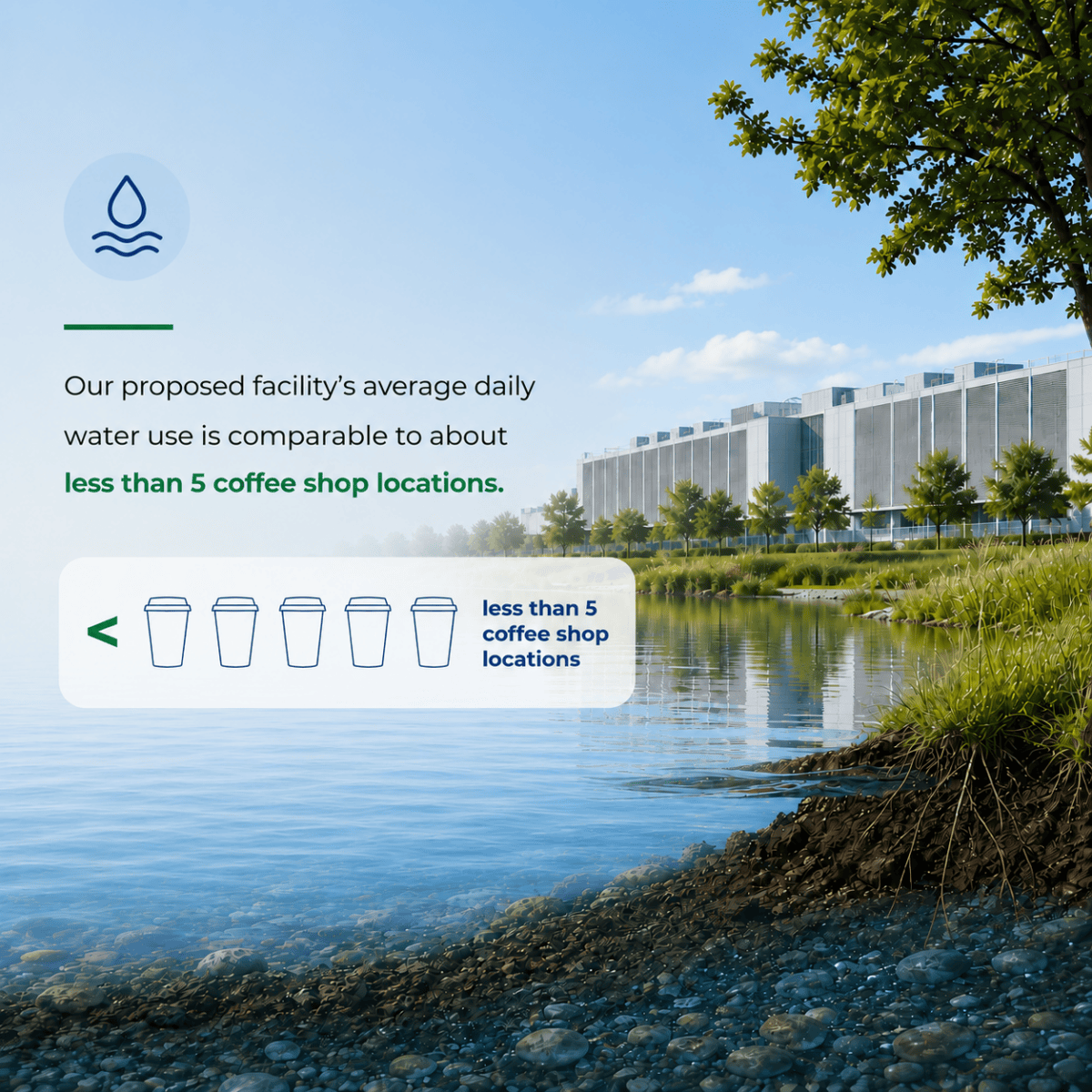
Some data centers rely on water-intensive cooling systems. This project is designed differently.
The proposed facility would use dry cooling technology and a closed-loop cooling system. Dry cooling operates through radiator-style equipment, while the closed-loop system continuously recirculates cooling fluid instead of requiring a constant supply of new water.
This design is expected to eliminate the significant utility water and wastewater demands associated with conventional water-cooled facilities – preserving local water capacity for residents, farms, schools, businesses, and future community needs.
TAKING THE PRESSURE OFF YOUR ELECTRIC BILL
An Integrated, Onsite Energy System
The project is also being designed to reduce its reliance on the electric grid.
Plans include clean onsite fuel-cell generation powered by natural gas, supported by battery storage. Together, these technologies can supply dependable power at the site, manage periods of high demand, and reduce the project’s impact on the surrounding electrical system.
The goal is an integrated energy system that supports the facility’s needs while limiting cost and reliability impacts for existing homes and businesses.
SMALLER IMPACT, BIG RETURN ON INVESTMENT
Meaningful Revenue, Minimal Footprint
The project is designed to minimize vehicle traffic and its impact on roads and private property. Other large distribution and industrial facilities can require extensive acreage, truck traffic, roadway demands, and public infrastructure – advanced computing facilities create substantial tax revenue without that same strain on roads and local infrastructure.
That means Hancock County can capture meaningful economic value while preserving more land for agriculture, housing, recreation, and future development.
WHAT’S NEXT?
We’re Just Getting Started
We will continue meeting with local officials and members of the public to answer questions and hear community ideas. As the project continues, we will provide additional information about water use, onsite generation, traffic, safety, construction, and other issues.
We are here to build the right way, operate responsibly, and protect the resources that Hancock County depends on.