
How Hancock County Wins
A generational investment in the long-term financial foundation of Van Buren Schools, Allen Township and Hancock County.
Preliminary estimates indicate that the project could generate approximately $300 million to $400 million in new property tax revenue over its projected operating life. OnSite Partners is not seeking a reduction in property taxes for the project. Beyond the direct financial benefits, there are numerous indirect benefits from income taxes paid by new employees to new revenue for local businesses. From restaurants and grocery stores to technical services and educational institutions- the financial benefits created here are meant to stay here.
WINS FOR LOCAL SCHOOLS
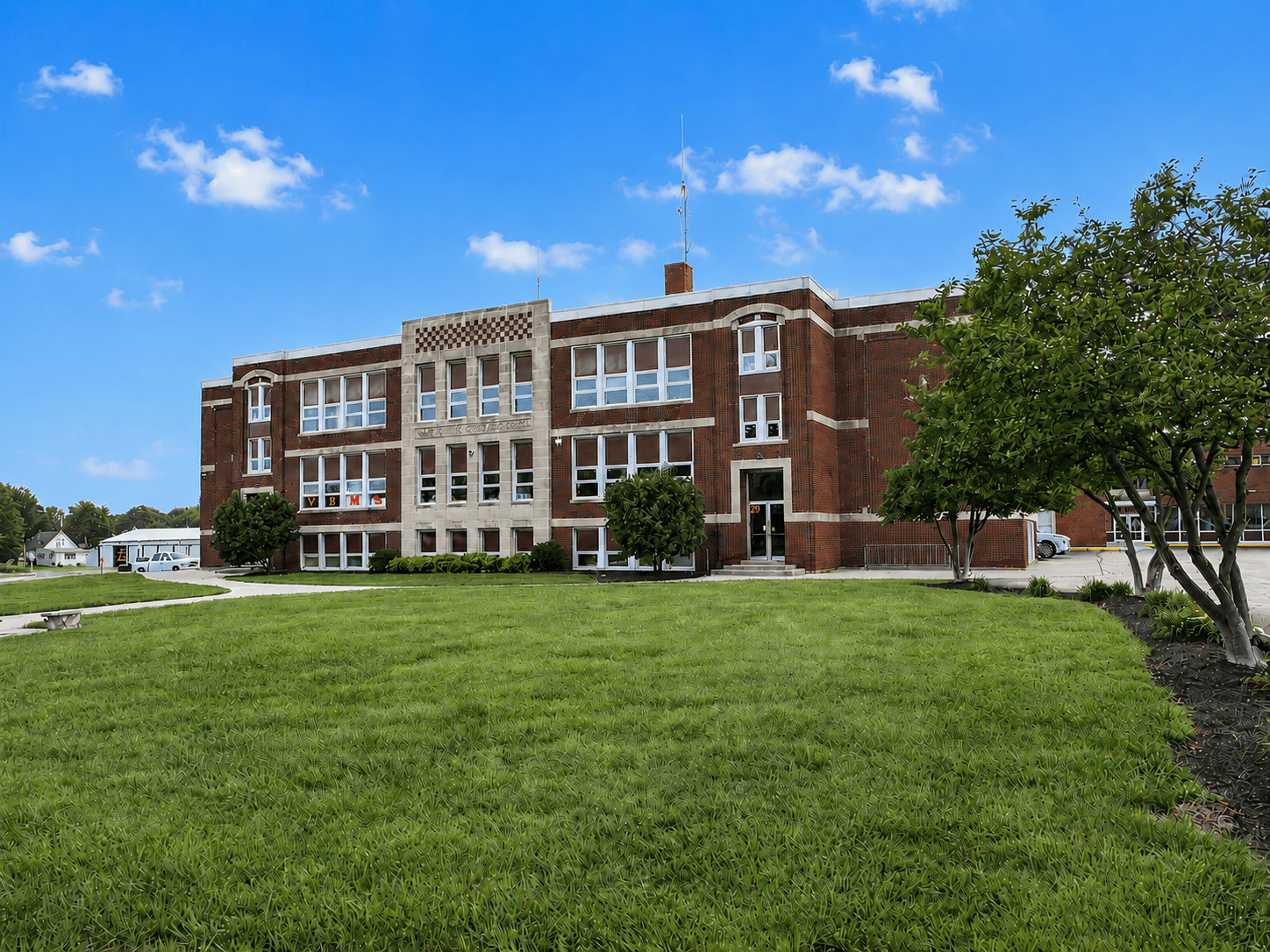
A Generational Investment in Van Buren Schools
$210M-$280M
NEW REVENUE, OVER THE PROJECT’S OPERATING LIFE
That revenue could help the district address major long-term needs, including new or improved middle and high school facilities, classroom technology, student services, workforce preparation, and other priorities established by the district and community.
OnSite Partners also proposes:
$250,000
In Annual Scholarships – each year, dedicated to college and vocational scholarships for graduates of Van Buren Schools, helping students pursue four-year degrees, skilled trades, technical credentials, and other career pathways
STEM
A Long-Term STEM Partnership – as a leader in energy and information infrastructure, hands-on classroom programming, facility tours, career exposure, internships, mentoring, and connections with professionals in energy and advanced technology
Our goal is to help local students see that the industries shaping the future can also create opportunities close to home – and that they don’t need to move away to have rewarding, challenging, good-paying careers in industries that matter.
ALLEN TOWNSHIP
Road & Infrastructure Improvements
OnSite Partners intends to provide upfront funding for road improvements and other community infrastructure priorities, selected in collaboration with Allen Township.
The project would also produce ongoing property tax revenue that can support roads, public safety, emergency response, and other essential township services — without the land, truck traffic, or infrastructure demands typically associated with conventional industrial development.

HIGH-PAYING JOBS TO SPARK THE ECONOMY
Good Jobs, Built to Last
750-1,000
Construction jobs during development
50-100
Permanent jobs once the facility is operating
6-Figure
Compensation expected for many technical & operational roles
These jobs would include facility operations, energy management, maintenance, security, engineering, and technology support. The economic impact extends beyond the site — supporting local restaurants, hotels, retailers, contractors, and service businesses throughout Hancock County. It is generally understood, that for every 1 tech job created, 5 additional jobs are created as well.
HANCOCK INNOVATION CENTER
Frequently Asked Questions
Answers to the question we hear most from Hancock County residents, local leaders, and the community.
The Hancock Innovation Center is a proposed new advanced computing campus in Hancock County.
It would not use any tax cuts, property tax abatements or any other development incentives. Instead, it would pay taxes like any other business and generate an estimated $300-400 million in new tax revenue, including an estimated $210-240 million for Van Buren schools.
It would create 750-1,000 jobs during construction and 50-100 jobs when completed, many at six-figure salaries. In short, it will be different, responsible, community-minded and better than many other data center facilities people keep hearing and reading about.
OnSite Partners develops, owns and operates energy infrastructure for businesses across the United States, including onsite or “behind the meter” power generation that allows large commercial buildings to have their own dedicated power supply instead of pulling it from the local electric grid. It is based in Columbus and has offices in Findlay and Chicago. Learn more at www.onsitepartners.com.
A final site has not been made public at this time, but we will continue to be transparent with local leaders to identify the best design characteristics to minimize impacts on neighboring properties and residents.
While certain details remain sensitive for competitive reasons, the Hancock Innovation Center is expected to be a mid-sized facility designed to fit in with the character and needs of the surrounding community.
No. The Hancock Innovation Center will use a closed-loop cooling system, significantly reducing water consumption and avoiding an impact on local water tables or supplies. It is expected to use less water than a handful of average coffee shops.
The Hancock Innovation Center combines both a grid connection as well as onsite generation dedicated to serve the facility. This combination allows the project to generate significant benefits for the community while minimizing the impact on the grid. As part of the project, we’re also exploring battery energy storage to further minimize the impact on the grid. Data centers deployed in the 13-state wholesale power market than serves Ohio do not impact energy costs regardless of where they are located within the region. There is no difference in the cost of energy locally, however local developments bring significant financial benefits to the communities that support these facilities. Additionally, a legally binding remediation plan will be part of the public documentation associated with the project.
No. Though the project would be eligible for potentially millions of dollars in tax breaks, it is not going to accept them. The project will pay its full share of local taxes and is projected to generate $300 million to $400 million in benefits for schools, local governments, and the broader community, including an estimated $210-240 million to Van Buren Schools.
Not if it can be avoided. The intent is to be as transparent as possible with the local community. Leaders from OnSite Partners have presented information to leaders and residents in open meetings and will continue to do so as much as possible without disclosing sensitive information to competitors. Ohio law allows governments to hold “executive sessions,” to learn such information but that is a common practice, and no formal decisions can be made during these sessions as they are designed to provide the decisions makers in the community as much information to help them make the best decision for the community. The use of NDA’s is intended to be avoided or kept to a minimum and only as a last resort.
No. They will be onsite for emergencies but they will not be a primary source of power. In fact, current plans call for the generators to be out of sight and shielded by noise-suppression barriers.
No, there will not be any new windmills as part of the Hancock Innovation Center.
No. The Hancock Innovation Center plans on using state-of-the-art LED lighting that does not create ambient light into the night sky. Additionally, the facility will be surrounded by a large berm and trees to minimize the impact on the surrounding residents.
The Hancock Innovation Center is projected to create 750-1,000 jobs during construction and 50-150 permanent jobs when completed. The projected salaries for many of these permanent positions will be six figures.
The Hancock Innovation Center will be providing $250,000 in scholarships to local schools. Additionally, the center will be offering STEM programming partnerships, internships, and tours to area students. Hopefully many students will be interested in working there. There’s no reason our students need to leave the area to have high-paying technology jobs right at home.
No. OnSite Partners will pay to build any infrastructure required as part of the project. Our commitment to the community is that we will bear the cost associated with any infrastructure needed to support the Hancock Innovation Center.
The project will be designed so it will be virtually unseen. Setbacks, berms, trees, landscaping, building orientation, equipment screening and other custom-designed strategies will all be used to reduce its visual impact.
Hopefully residents will judge the Hancock Innovation Center by the facts and independently from other projects they have heard about. It will be different, responsible and better. OnSite Partners’ approach is to put the major community questions on the table early: water, power, taxes, noise, land use, jobs, and local benefits, and update the public as the project moves forward. Additionally, you will see our leaders in the community. OnSite Partners has hired a Senior Director of Community Engagement to be a liaison between residents and leaders.